
Re-Parenting - An Inside Job
The way in which we were parented was internalized as children, and is now the same relationship that we, as adults, have with our own younger selves. To the extent that our developmental needs as children were not met through abuse, neglect, repression, shame, dysfunction, judgement and criticism, is the extent to which we now do the same thing to ourselves. Until this inner relationship changes through awareness, we will live in the effects of the abuse, neglect, repression, shame, dysfunction and judgment that we now heap upon ourselves.
This is the existential stage of development and state of consciousness in which most people will live, and die. The chronic states of anxiety (fear) and depression (shame and internalized rage against ourselves) predominates the landscape of modern humans.
This course is designed to give you insight into the developmental stages all humans go through from conception to adulthood so that the appropriate responses to each age and stage can be examined and seen against the backdrop of what did or did not happen for us as children. With awareness of what you as a child needed, and what you got, you will be able to have a choice about how to correct and change the inner relationship you have with yourself. This can bring about a profound sense of well-being, joy and new found intimacy with yourself and others.
This knowledge is essential so that we, as adults, can recognize feelings, needs, behaviors and thoughts that belong to each developmental stage and correct the inner relationship we have with each age within ourselves.

Preparation for Week 1 - Conception to Birth
Please spend some time, contemplating these questions. It has been the consciousness of very much of the world’s culture to ignore the impact of gestation and early childhood experience on children. Very often abuse has happened and the belief is that the child “will not remember.” The misunderstanding about memory as only a cognitive function has lead to the idea that “I will not be caught out,” for how I treat children. Memory however, is stored in the very cells of our body and we can relive the experience in our bodies repeatedly without awareness of why this suffering is there, or what it is about. As you work with these questions consider what might be stored in the cells of your body as memory.
To understand the nature/nurture debate a little more …. read here
Week 1 – Cellular Knowing and Cellular Memory

Recommended Reading
“The human being has to be born twice,
Once from the mother,
And then out of the body of one’s own existence.
This body is like an egg,
The essence of man must become in this egg a bird,
Thanks to the heat of love.
And then he will escape (dis-identify from) this body into the eternal world of the soul
Beyond space.”
~Rumi
Thank you all for the deep presence and participation that was experienced in our first class. Whether you spoke or intently listened, it was clear that each and every one of you were deeply engaging the concepts, questions, and teachings that were expressed and discussed. Lyndall and I have so much honor and gratefulness to be trusted as guide and witness to the very deep work that is being done within each learning opportunity of the Aslan community. We often talk about the sacredness of our groups and we want each of you to know that each one of you, is of critical importance in the learning circles we form. The group serves as presence to your own journey, yes, but you in turn serve as presence to the journey of others. Your presence whether in presence alone, or in sharing is of critical importance to the completeness of the circle. The “right relationship” of the group, then serves as an experiential model for internalizing our own internal “right relationship”.
For Advanced Contemplation
Before being born into the world of time,
The silence of pre-existence was all absorbing.
The transition from eternity to time
Is full of sufferings, fears, and little deaths.
But, in the transition from death
To eternal life,
The silence of pre-existence
Bursts into boundless joy.
All that can be manifested emerges
From the endless creativity of
That Which Is.
But
The Secret Embrace
Of
The Source of all creation
With
Infinite Transcendence
Can
Never be revealed.
~Thomas Keating, “The Secret Embrace”
∞∞∞∞∞∞∞∞∞∞∞
Our birth is but a sleep and a forgetting:
The Soul that rises with us, our life’s Star,
Hath had elsewhere its setting.
and cometh from afar:
Not in entire forgetfulness,
And not in utter nakedness,
But trailing clouds of glory do we come
From God, who is our home:
Heaven lies about us in our infancy!
Shades of the prison-house begin to close
Upon the growing Boy.
Be He beholds the light, and whence it flows
He sees it in his joy;
The Youth, who daily farther from the east
Must travel, still is Nature’s Priest,
And by the vision splendid
Is on his way attended;
At length the Man perceives it die away,
And fade into the light of common day.
~William Wordsworth. Our Birth is but a Sleep and a Forgetting:
Week 2 – Birth - Two
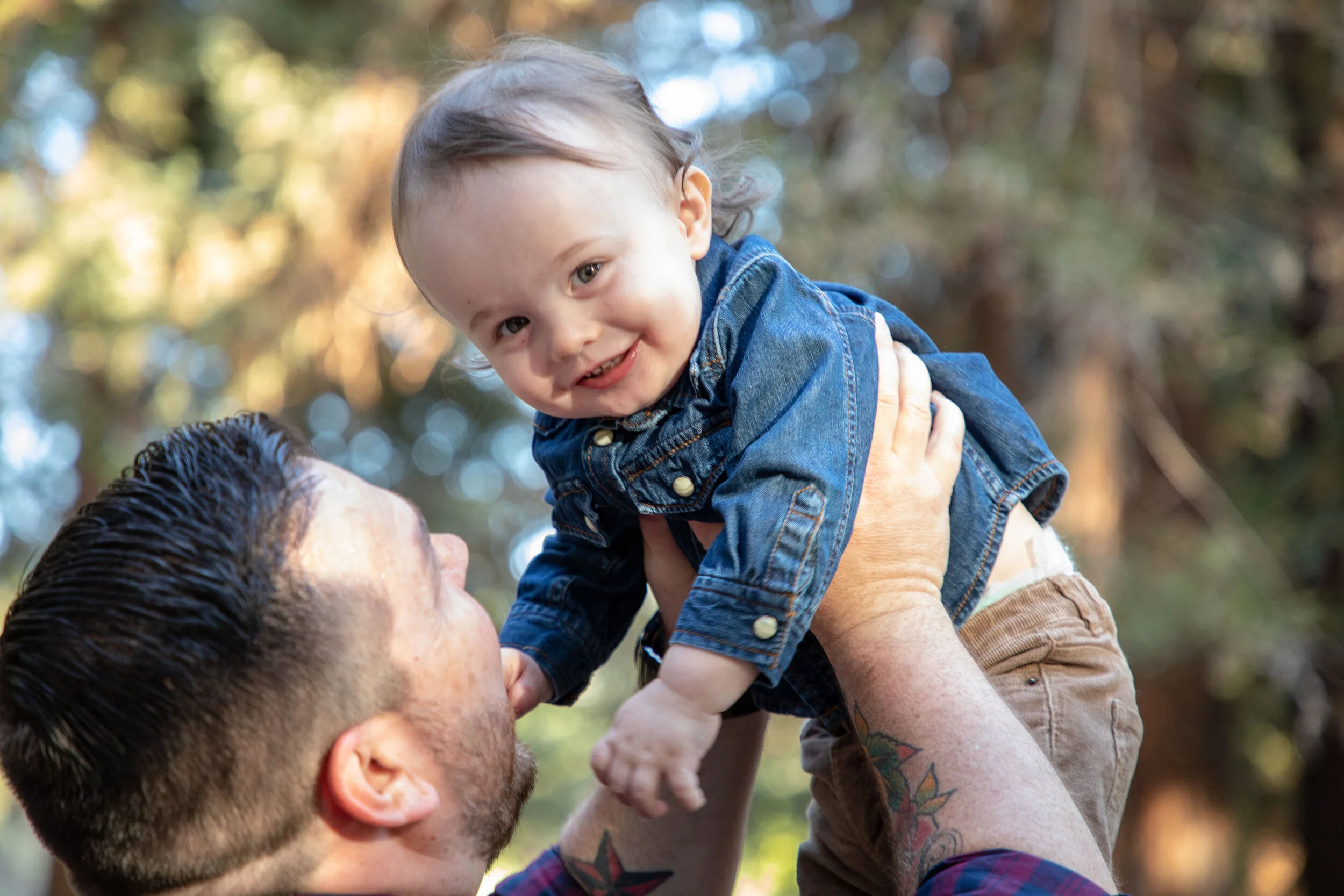
Again, this week, if your parents are alive, here are some questions that could prompt conversation. If they are not, use your imagination from the stories you heard and who you knew them to be later in life.
What do you know about your development in your first year of life?
Did your parents keep a baby book for you outlining your developmental milestones?
Did they delight in your development? Did they take an anxious pride in you as a baby in comments like, “She walked at nine months…” “He was very precocious and started talking at 1 year….” Etc.Did they ever express wishing that you remained a baby? Did either of them express a preference over which age they enjoyed most about having children?
How were your basic needs for touch met? Were you cuddled and held, soothed and rocked?
Did you have a mother who fed on demand or on a schedule? Did your mother breast feed? How did it go for her?
https://www.youtube.com/watch?v=OrNBEhzjg8I - the importance of touch for an infant

Trust - A Worksheet
“I could be whatever I wanted to be if I trusted that music, that song, that vibration of God that was inside of me.” ~Shirley Maclaine
I often hear people telling me that they should learn to be more trusting. I have wondered what they mean. Does it mean that although our trust in others has been betrayed repeatedly, and we now feel distrustful, that this is wrong and we should go backwards and learn to trust people despite all evidence we have accumulated in our lives that people are untrustworthy?
In fifty years of living I have no evidence that would suggest to me that the vast majority of people are to be trusted at all times to be loving, kind, patient, accepting, non judgmental, gentle, pure in motive, genuinely giving honest, wise or compassionate and even when they seem to be - it is just that - a pretense with hidden motives of self interest. It seems to me that to “trust” other people is denial or naiveté. The naive trust of childhood must be replaced with distrust of others - it indicates awareness.
“One person that mirrors love back to a child, believes in a child, and sees who a child really is, makes all the difference by giving that child the choice of a different path to take in life, even in the most wretched and abusive of situations.” ~L. Johnson
For a shining example of this read, “My Childhood,” by the Russian activist and writer, Maxim Gorky - 5 time nominee for the Nobel prize in literature. This account reveals his mother and grandmother’s love and belief in him in the midst of unbearable violence by the father. He lead a life of meaning and creativity.
In contrast read an account of Adolf Hitler’s childhood. There was not one person to show a different path and the destructiveness of his self-hatred projected on to the world is beyond words. This penetrating account can be found in the book “The Untouched Key:Tracing Childhood Trauma in Creativity and Destructiveness
Watch the movie “Shine,” that portrays this principle beautifully
Week 3 – More on Primary Attachment

“What cannot be communicated to the [m]other cannot be communicated to the self.” ~John Bowlby
In previous weeks we have encouraged each of you to look deeply into the experience of coming into this world. We have encouraged the deep introspection into what story you were told regarding your creation and to gauge that next to a deeper investigation into the actual cellular experience of your early life. What you know about the story and what your molecular memory is, can be two different things.
All of our experience is logged into our body in a way that will tell us a deeper truth of our experience. This deeper truth tends to make more sense of who we are as adults, and gives us the necessary information needed to successfully “reparent” ourselves, thus filling in the missing pieces of which our parents were not aware of at the time.
“A securely attached child will store an internal working model of a responsive, loving, reliable care-giver, and of a self that is worthy of love and attention and will bring these assumptions to bear on all other relationships. Conversely, an insecurely attached child may view the world as a dangerous place in which other people are to be treated with great caution, and see himself as ineffective and unworthy of love. These assumptions are relatively stable and enduring: those built up in the early years of life are particularly persistent and unlikely to be modified by subsequent experience.” ~Jeremy Holmes, John Bowlby and Attachment Theory
Yes - true, until you have an observer self who can re-parent in a different way and change the patterns and dynamics within
Week 4 – Early Childhood

Piaget’s Pre-operational Stage of Development
Before we move on from the first couple of years of life, let’s just recap this very important concept that Charisse raised in the last teaching. First watch this youtube video…
https://www.youtube.com/watch?v=-gWJrZ7MHpY
This is a delightful video of a baby not yet able to cognitively understand that when something cannot be seen it still exists. And it is also the most beautiful example of creating object constancy - which means the parent’s response is entirely authentic – there is no double message – the father is genuinely delighted and taking immense joy in his baby – there is no pretending delight and being annoyed that the task cannot yet be achieved. The double (parallel) and inconsistent messages parents give a child leads to emotional instability and anxiety in the child’s attachment to the parent. (Anxious attachment)

“When you blame others, you are affirming that you have no power, and your existence is only a reaction to the power of others.” ~Bryant McGill,
Blaming Parents?
Is therapy about blaming parents for who we are today?
NO.
The purpose of re-membering is to bring thoughts, feelings, needs, experiences and behaviors that were learnt in childhood to awareness so that we can take full responsibility for them and do something about them. Knowing how we learnt our attitudes and beliefs is helpful, because when we recognize, with the awareness of adulthood, how little, innocent and helpless we were to do anything as children but learn what was being socialized into us, we gain a new appreciation and compassion for ourselves for surviving and thriving, rather than meting out self judgment and self hatred.
“Rather than communicating blame communicate your standards for proper future treatment.”
~Bryant McGill, Simple Reminders: Inspiration for Living Your Best Life
“In the older view of the goddess, Universe was alive, herself organically the Earth, the horizon, and the heavens. Now she is dead, and the universe is not an organism, but a building, with gods at rest in it it, in luxury; not as personifications of the energies in their manners of operation, but as luxury tenants, requiring service. And Man, accordingly, is not as a child born to flower in the knowledge of his own eternal portion, but as a robot fashioned to server.” ~Joseph Campbell

Find an image of yourself as goddess with the child within, waiting to be born and brought to fruition and flowering as an expression of the eternal, by you.
Week 5 - Attachment Style and Emotional Self-Regulation


Before reading this weeks lesson, watch the video included and ask yourself the following questions:
What attachment style is being shown?
What are the exact steps the mother is taking with the little girl?
What would an anxious mother have done?
What would a dismissive mother have done?
What did you get as a child if you hurt yourself, physically or emotionally?
How are you going to correct this? Now read the lesson and see if you got close.
This week let’s take a break from “theory” and begin to take a look at the “practice” of re-parenting. The first 4 weeks of this course served the purpose of working toward building for you a framework for understanding your attachment style and why and how it was formed. From this 4-week investigation, hopefully, you have begun to see with a little more compassion that not many of us received the parenting that would encourage the development of a secure, internally loving relationship that is able to embrace all aspects of self, while also giving a loving limit.
Have your inner child watch this video - very elementary but age appropriate! Make a list of your strategies to replace your defenses (eating), calm your feelings and change your beliefs. https://www.youtube.com/watch?v=j0YDE8_jsHk
Important Video - https://buildthefoundation.org/issue/parent-child-interactions/
Week 6 - More on Shame as we struggle with Autonomy
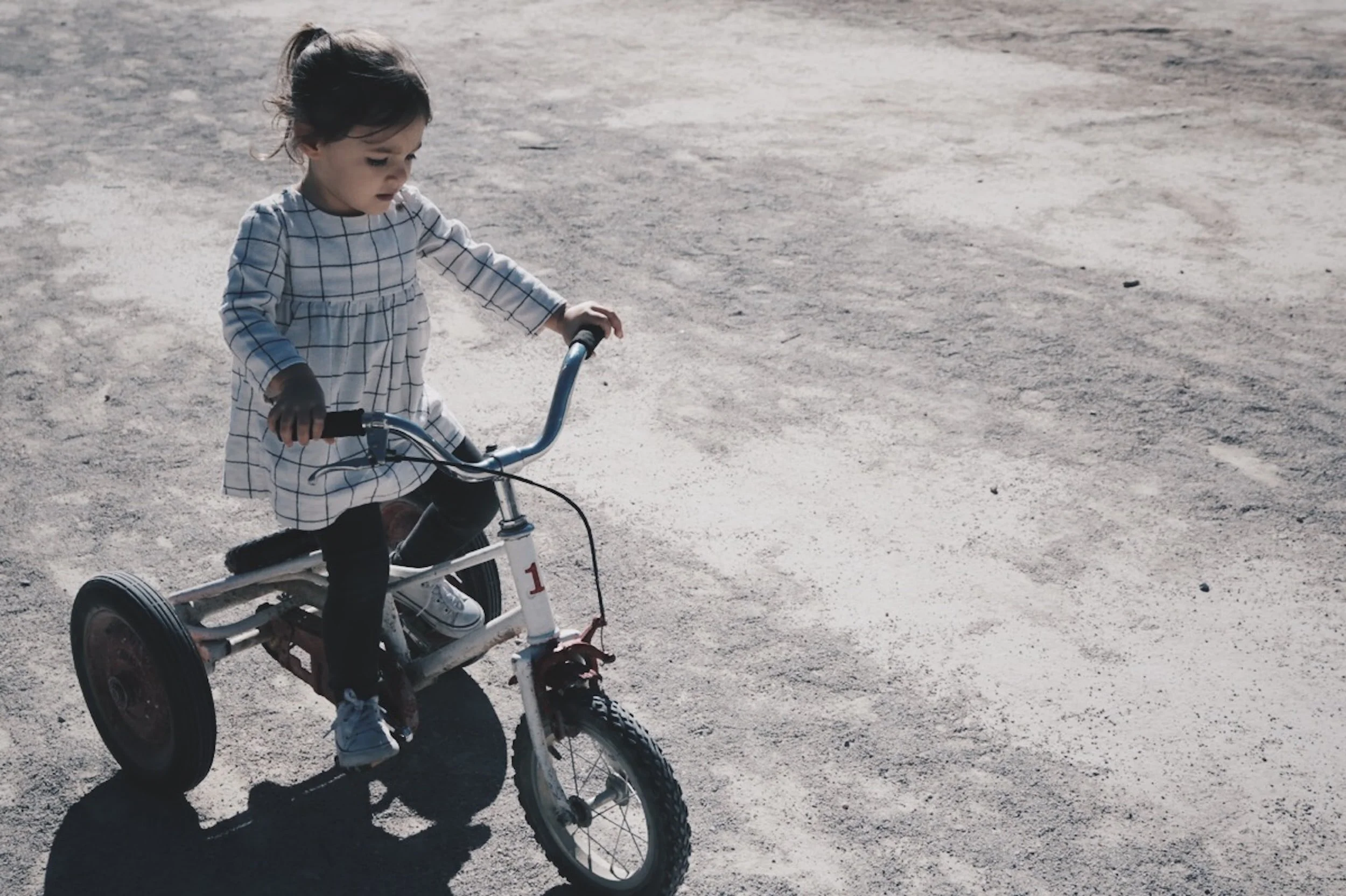
Autonomy is attained when the child is lovingly guided, taught, and protected in meeting its own needs at the appropriate age and individual capacity for the task. This seldom happens. Mostly the needs of the child are over-met, under-met, inconsistently met, or met with anger or anxiety or both, or, the needs are dismissed altogether. At best it is a hit and miss experience for parent and child.
Let’s look at the needs of a toddler:
To be shame-bound means that whenever you feel any feeling, need or drive, you immediately feel ashamed. The dynamic core of your human life is grounded in your feelings, needs and drives. When these are bound by shame, you are shamed to the core.”~John Bradshaw. “Healing the Shame that Binds You.
https://www.youtube.com/watch?v=CejhQC9hUO8 watch this for beautiful mirroring and intimacy
Movies: For an anxious attachment style in an adult watch “Only the Lonely,” with John Candy
For childhood shaming watch “The Joyluck Club,” and “Lost in Yonkers.”
For more movie ideas: https://www.psychologytoday.com/us/blog/under-the-influence/201212/psychology-the-movies
To understand the human function and purpose and importance of shame watch: “Lord of the Flies.”
Week 7 - Yes-No……Which Way To Go?

“Frustration is a key ingredient to growth. The child who is never frustrated never develops frustration tolerance.”
~Henry Cloud, Boundaries with Kids: When to Say Yes, How to Say No
Lyndall’s last teaching touched on a fundamental core in our capacity to thrive in this world…”boundaries and limit setting.” Rules and limits are a very important and natural part of life. We simply must have them. Without limits and rules our existence would be chaos, our communities would be in disarray, countries would be in a constant state of war. And, so, we learn very young that there are rules, and we must follow them. However, most often parents lack the capacity to make a boundary that is also loving. As a result, there is much confusion in most of us regarding how and when to make an internal limit.
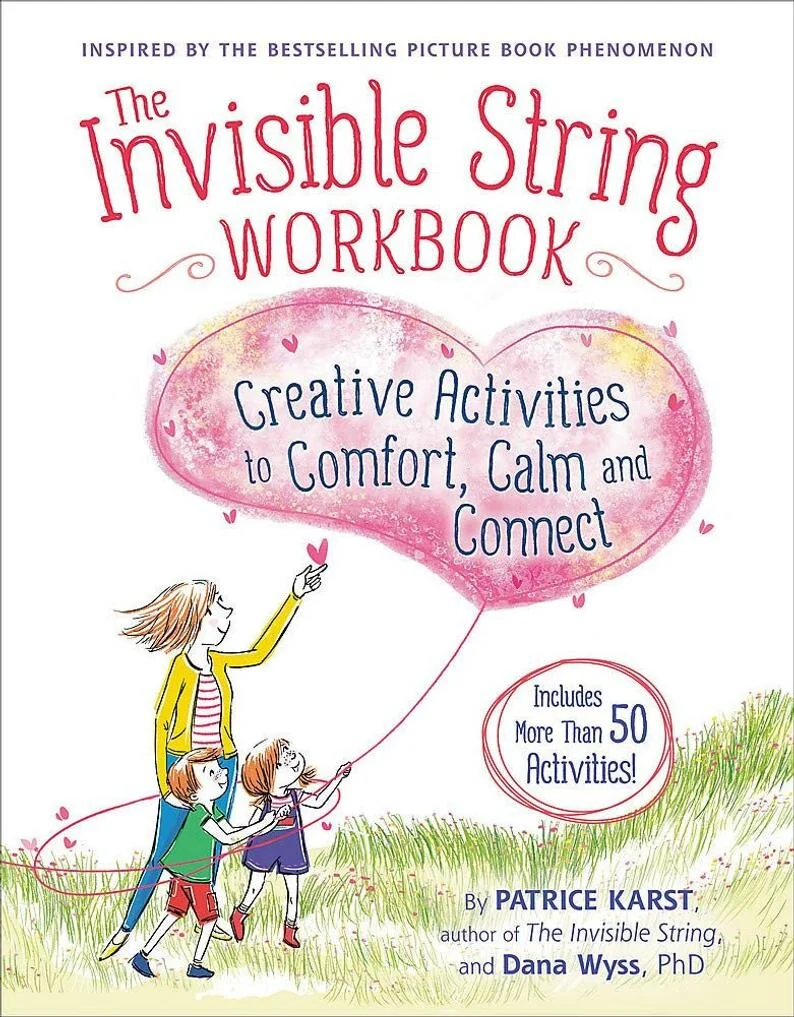
Wonderful workbook for Attachment issues
“Proactive boundaries go beyond problem identification to problem solving. Your child needs to know that in protesting, she has only identified the problem, not solved it. A tantrum doesn’t solve anything. She needs to use these feelings to motivate her to action, to address the issue at hand. She should think about her responses and choose the best one available.”
~Henry Cloud, Boundaries with Kids: When to Say Yes, How to Say No
What stories and movies taught you about the rules of Yes and No as a child?
Share with one another by email or in the informal group
Write a story for children talking about boundaries and rules in a loving way - For an example - Read here
Recommended: https://www.youtube.com/playlist?list=PLUcd4wtsLikwkJGmlE2nXK2bOcis86Jxo
Week 8 - Initiative and Guilt between 3 - 6 years


Through which lens do you see the world? What stage does it represent?
These are very busy years as the child has greater mobility and autonomy. It is an age of rapid learning in every way and it is the age of asking WHY? Guilt is essential to know which behaviors are dangerous and which will advance learning. Unfortunately, children are seldom directed at the level of their behavior. Instead they are attacked as human beings for being “in the way,” “too curious,” as “driving me crazy with your questions.” and “that is just your imagination…” On and on the child is shamed for learning, instead of feeling normal healthy guilt when behavior is corrected..
Empathy, Sympathy, Over-identification and Compassion
For deeper study and clarification read here…
Re-Parenting Story. Use this as an example to write your own story.
Read or listen to the Story of “The Elephants Child,’ by Rudyard Kipling. What moral, social and cognitive lessons are in this this teaching? https://www.youtube.com/watch?v=6smTRZRanpk
Week 9 - The Development and Extinction of Play
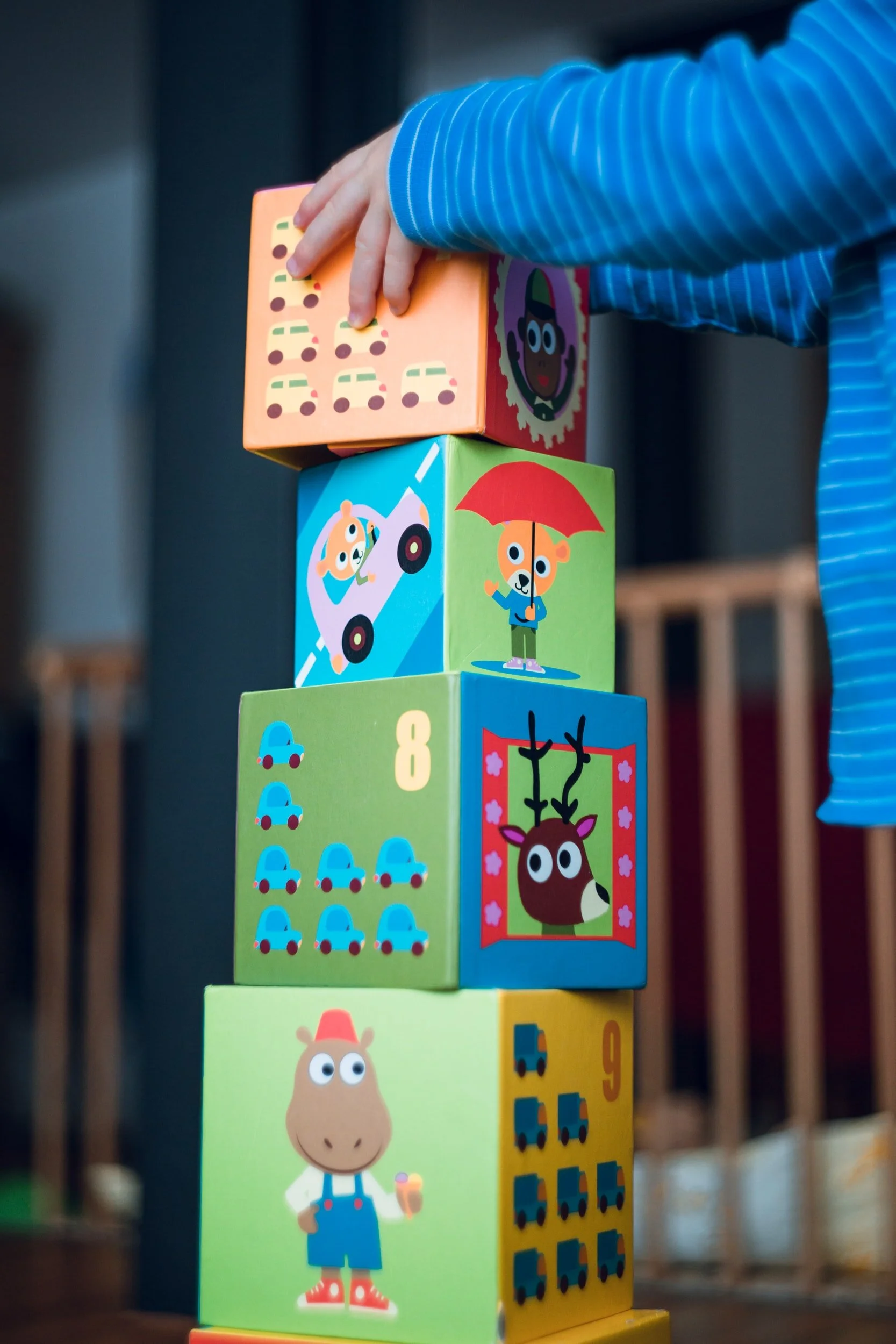
Play a Little Everyday!
One of the most important aspects of emotional, social, and language development as children is play. The capacity to form and sustain relationships as adults actually links intricately to the ways in which play was learned and integrated as children. As adults we fail to see how important play is in our lives still. So today let’s look at the stages of play development and see how in reparenting yourself, play is an important consideration.
“A master in the art of living draws no sharp distinction between his work and his play; his labor and his leisure; his mind and his body; his education and his recreation. He hardly knows which is which. He simply pursues his vision of excellence through whatever he is doing, and leaves others to determine whether he is working or playing. To himself, he always appears to be doing both.” ~L.P. Jacks
https://www.ted.com/talks/stuart_brown_play_is_more_than_just_fun?language=en - Play is more than Just fun - Watch this Tedtalk
https://mail.google.com/mail/u/0/#inbox/FMfcgxwKjwwJzgTDLJZkmBqqhdXWFLkB?projector=1 - Watch this Ted Talk - take this in and see how to parent your own feelings and needs
Week 10 - Industry (competence) vs. Inferiority - 5 - 12

Eriksons 4th stage of Psycho-Social Development outlines what happens during the primary school ages of 5 - 12, where children are expected to prepare for being competent in the world through education and intellectual understanding about the external world, and how to manipulate this world to get their own needs met. When children are not guided and taught with respect and reverence, and instead are shamed and criticized any competence they achieve is rooted in avoiding being shamed and frightened by other adults. Herein lie the future fears in relationship to authorities and bosses, systems and learning leading to under-achievement out of avoidance of feelings and over-achievement and perfectionism to get the need for approval met and avoid the shame of disapproval.
https://www.youtube.com/watch?v=atMCdktab_E - for more teaching on this stage watch this and think about it in terms of your inner relationship towards yourself around learning
Worksheet on Learning
Conventional Stages of Moral Development - Level 2 - Kohlberg
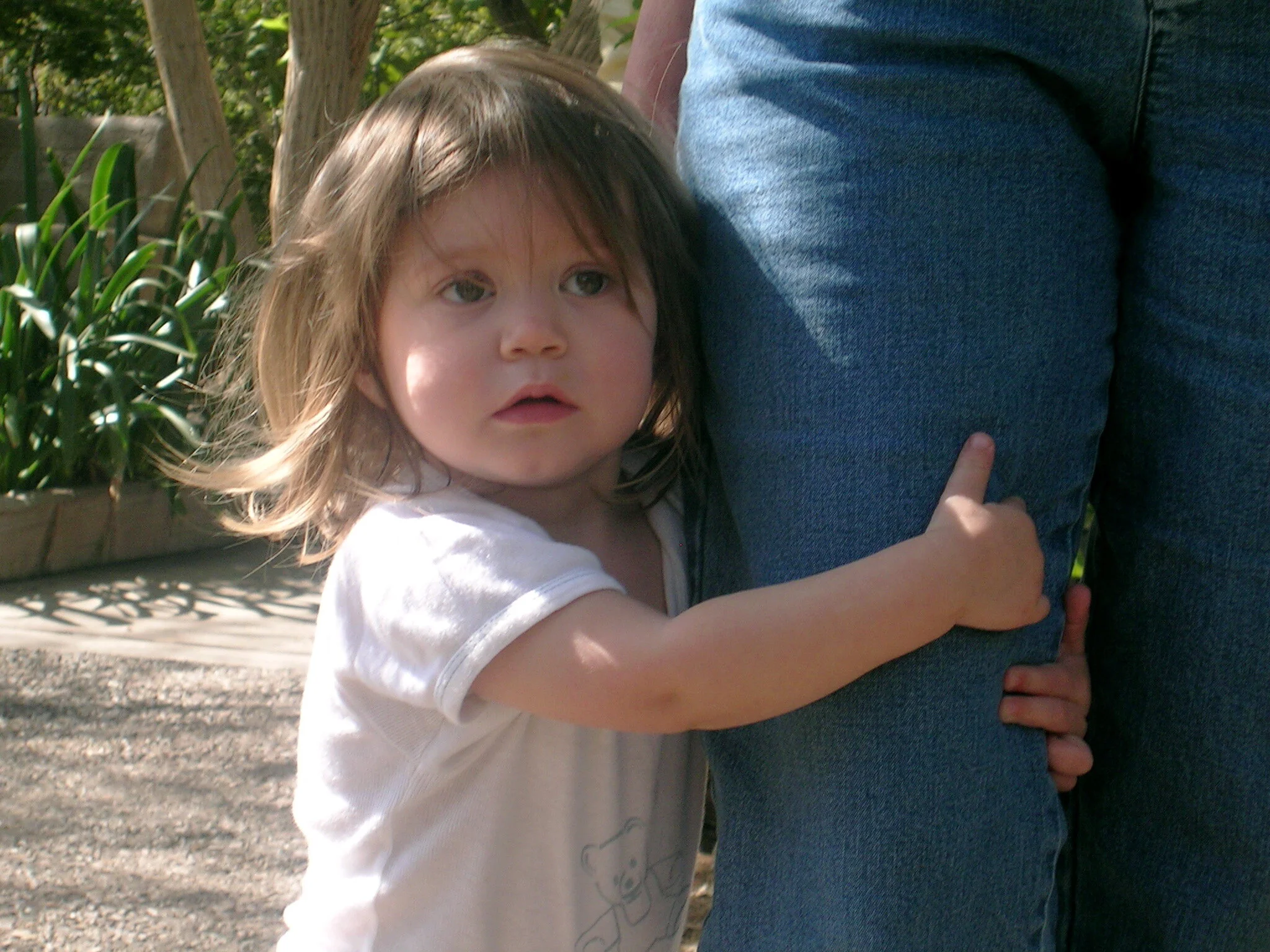
Children at this stage will adhere to external rules to maintain positive relationships with authorities and peer groups. They do not yet consider the fairness of a rule, or whether it is appropriate or not - they just blindly obey, rigidly and without question. They want to get their need for approval and acceptance met - they want to be seen as good, nice and helpful.
https://www.care.com/c/stories/4048/the-27-best-moral-stories-for-kids/ - for children’s stories developing moral reasoning
Piaget’s Concrete Operational Stage - 7 - 11
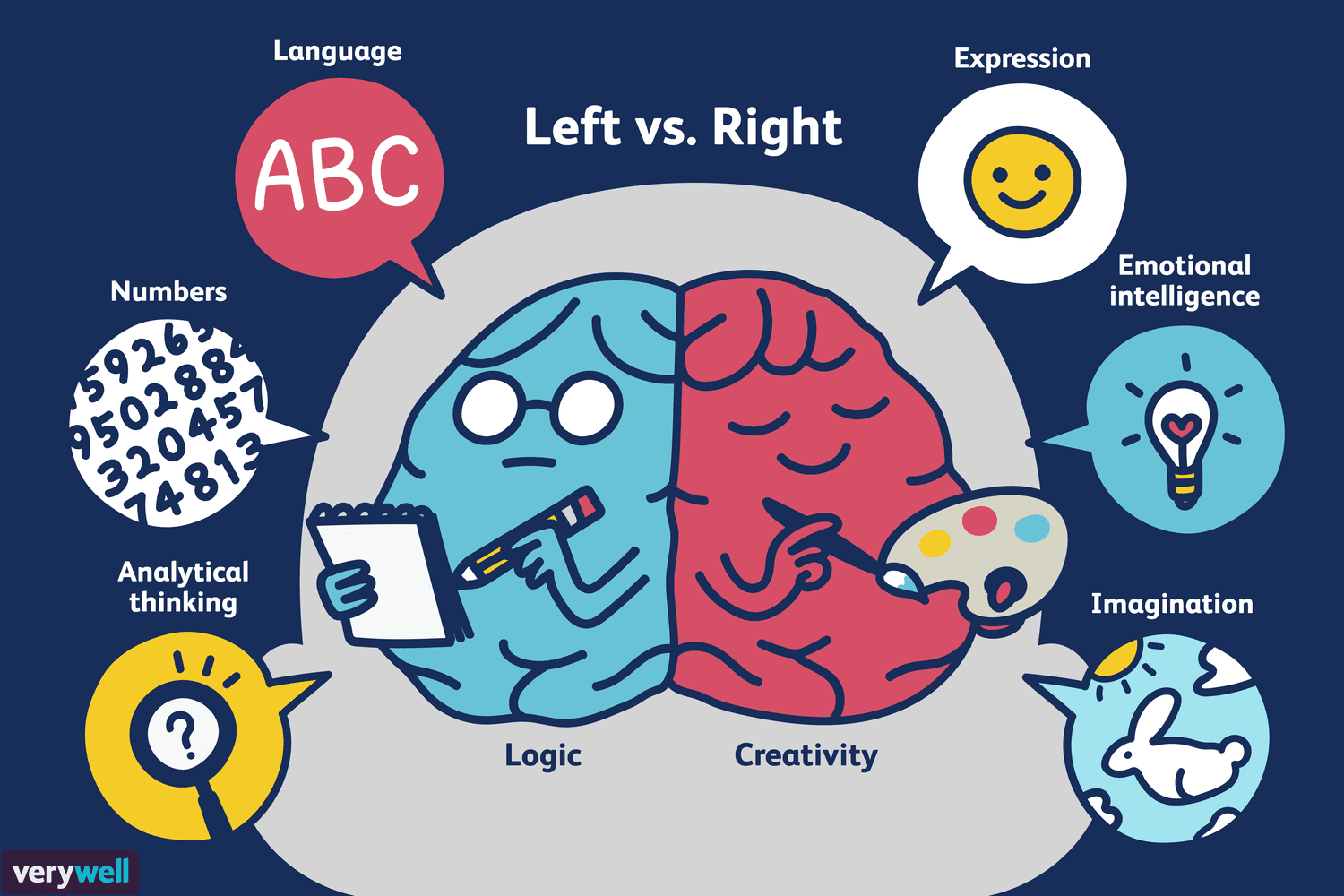
Moral reasoning is very much tied up with the child’s cognitive capacity as outlined by Piaget. During this concrete operational stage children start to:
think logically about concrete events - i.e. they can see physical cause and effect
understand the concept of conservation; the classic example used by Piaget is that the amount of liquid in a short, wide cup is equal to that in a tall, skinny glass
use inductive logic, or reasoning from specific information to a general principle
able to deduce how someone else might see something
https://www.youtube.com/watch?v=UNmUjRf0ekQ
https://study.com/academy/lesson/piagets-concrete-operational-stage-and-logical-principles.html
“The brain is just the limited and imperfect mechanism through which Universal Consciousness is able to express a very limited amount of True Knowledge. The design and capacity of this computer is constantly being upgraded with new parts becoming activated as an evolutionary process.” ~L. Johnson
Week 11 - What is Right Relationship….and how in the hell do I get one!

True North Star is your Heart
We are now eleven weeks into our course and at this point you are seeing all the ways in which most of us were moved out of an internal focus of relationship, to a completely external focus as a way to meet our internal needs. Simply said, our own feelings, and our own needs, as well as, how to best meet those needs was not on the radar. We learned very young to look “outside” of ourself to have our needs met. Of course, this is not at all aware to us as this happens. And we live in that unawareness throughout our lives, until after enough suffering and confusion, some of us begin to ask the questions……
Why do I feel so empty?
Why am I crippled with anxiety?
How can I end this depression?
Why are my relationships not working?
Why do I stay in a job I hate?
Why am I exhausted and overworked?
For Advanced Study - Re-Parenting - The Christmas Edition
“I have seen the king with a face of Glory,
He who is the eye and the sun of heaven,
He who is the companion and healer of all beings,
He who is the soul and the universe that births souls.”
~ Rumi
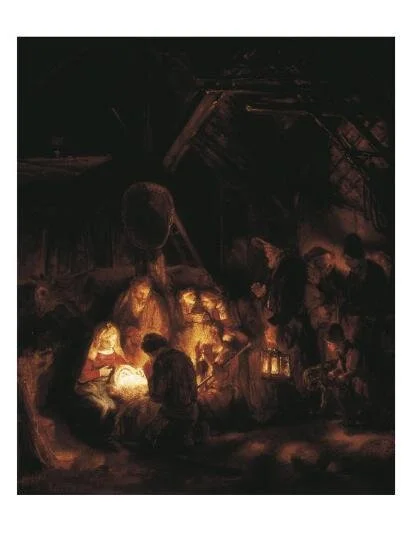
There is no greater story in the world than the story of the annunciation, immaculate conception, and birth ofthe Christ and no story more applicable to the task of re-parenting ourselves. The same principles are inherent in the birth story of the Buddha and, clearly, Rumi, the great Sufi mystic understood the Christ story intimately in the mystical tradition of Islam, no where is the myth so beautifully portrayed as in the Christian myth. Everyone of us was immaculately conceived by the Spirit of God. At the moment of the cell of one sperm impregnating one ovum, the Holy Spirit descends and enlivens the very cells of the new little human being.
Week 12 - Discipline vs. Punishment and Abuse

Discipline and limits teach self efficacy, mastery, inner self discipline, self respect and dignity, which are real universal needs
“You will never have a greater or lesser dominion than that over yourself...the height of a man's success is gauged by his self-mastery; the depth of his failure by his self-abandonment. ...And this law is the expression of eternal justice. He who cannot establish dominion over himself will have no dominion over others.” ~Leonardo da Vinci
““Why are you harsh with me?”
For good reason. But certainly not to keep you away!
Whoever enters this place saying Here I am, must be slapped!
This is not a pen for sheep
There is no separating distances here.
This is love’s sanctuary.” ~Rumi
“If my words are not saying what you would say, slap my face. Discipline me as a loving mother does a babbling child caught up in its nonsense.” ~Rumi
How could it not be loving to set a limit with destructive beliefs, thoughts, and behaviors? This can be done firmly, and/or gently by merely reminding yourself of who you really are and bringing love to the inner dynamics of hatred and destruction.
~Lyndall Johnson
Ted talk on loving relationship and discipline - be aware of the feelings, cravings and impulses, thoughts, wants and secondary shame. Accept them. Say “no.”
https://www.youtube.com/watch?v=tTb3d5cjSFI

From wholeness comes wholeness
Week 13 - Participants Questions - and answers
Question 1: “As I bring more awareness to my own needs and feelings with firm loving boundaries, and in so doing, establishing Right Relationship to the needs of my child, I notice that a space opens for compassion and forgiveness, for myself but also for those that harmed me as a child. My question then is, what is “Right Relationship” with those who harmed us as children? Does this not require forgiveness (with loving boundaries?) This is where I get confused, as I looked to establish a “Right Relationship” with my father before he died and as I am now trying to establish with my mother and ex-partner.”
Answer: .For more … Read here

Question 2: “As I continue to establish “Right Relationship” within myself, my intention is to BE in relationship with “memory” by brining truth to it. For example, my anxiety around abandonment will most likely never “go away” , but by being in relationship to it, I can re-parent that part of me that is often afraid when feelings of abandonment are triggered. Will the feelings of abandonment subside as I continue to reassure my little girl that I am here for her and that we are safe or will it continue to re-surface depending on the awareness I have around it at any given moment?”
Answer: For more … Read here

Question 3: “If let’s say, someone kicks my dog, and I am upset and angered by this action (is my emotional response “memory” although it is happening in the present moment?).
Additionally, if my judgement of this action is that it is not correct, is this a projection although the action is violent and generated by the other person? Is my judgement or perception of the action the projection? I understand projection in most cases, but there are some areas where I continue to struggle. Can you please expand on this a bit?”
Answer: For more … Read here

Can I love the one suffering within?
Week 14 - More Questions and Answers
Question 4: This morning, I watched the video about Jeanie, the young girl who suffered severe deprivation. The result of the doctor's work to study her brain and development showed, unfortunately, that some parts of development (language) are ONLY available during certain time periods, and cannot be remediated later. The parts of her brain had simply atrophied, and were no longer able to develop. That entire video was deeply upsetting to me, partly because it was so sad that Jeanie was never able to develop anything close to a normal life.
My reason for reaching out to you is to ask: “Are there emotional parts of deprived childhoods that simply can not be re-parented? If some early need for touch or trust or autonomy was not developed, can THOSE aspects still be reparented?” Last week, you made it sound like it was a straightforward path to identify WHERE we had missed important childhood development, and then create a way to reparent ourselves. Yet, the Jeanie video seems to indicate that SOME things cannot be healed up later. I'm so curious to know if you share that view. If not, are you convinced that EVERY aspect of healthy development can be remediated by loving limits and attention to healing childhood wounds?
At the base of my question, as you've maybe already guessed, is some fear that perhaps MY wounds or my partners wounds are among those that aren't healable. And, I'm fearful that any work I may do during the class or my many years of therapy will simply not make any appreciable difference. I'll simply remain a wounded one.
Answer: For more … Read here

Think about your cellular knowing and how your cellular memory is so different to your knowing in the realm of religious doctrine
Week 15 - Spiritual Needs
Apparently my first prayer as a little girl started, “Gentle Jesus, meek and mild, look upon a little child.” It is a famous poem by Charles Wesley.” I changed it into Gentle Jesus, milk and Milo (chocolate powder for milk), give to me, a little child.” So, clearly, I thought of this god person as someone really nice and gentle who gave me treats. My first understanding of the goodness of God was the hymn, “All things bright and beautiful, the good Lord made them all.” I was very much in love with animals and flowers and nature and so to me the creator of all this was quite amazing to me. I am grateful for these young experiences because the doctrine, dogma and outright abuse from the religious institution later in life could have made me throw the whole enterprise out of the window. However, what people said and what I knew in my young heart was not the same and it lead to a life-long search for understanding of what God is, what Love is, what Spirit is. Some kind of spiritual foundation, some kind of understanding that there is something beyond our physical experience and that is inherent within us as a basic goodness is a basic need for all children.
How Children Learn About Others’ Needs
by Miki Kashtan
In contemporary, patriarchal societies, mothering often leads to mothers giving up on their own needs, because of the lack of a communal context of togetherness and support. One of the results of this is that, as children, we don’t learn about the needs of others as an organic limit we bump up against and within which we weave the unfolding of life. Instead, we encounter an either/or way of being, one of many around which patriarchal societies are organized. Continue reading "How Children Learn About Others’ Needs"

Once, I ran from fear
so fear controlled me.
Until I learned to hold fear like a newborn.
Listen to it, but not give in.
Honour it, but not worship it.
Fear could not stop me anymore.
I walked with courage into the storm.
I still have fear,
but it does not have me.
Once, I was ashamed of who I was.
I invited shame into my heart.
I let it burn.
It told me, "I am only trying
to protect your vulnerability".
I thanked shame dearly,
and stepped into life anyway,
unashamed, with shame as a lover.
Once, I had great sadness
buried deep inside.
I invited it to come out and play.
I wept oceans. My tear ducts ran dry.
And I found joy right there.
Right at the core of my sorrow.
It was heartbreak that taught me how to love.
Once, I had anxiety.
A mind that wouldn't stop.
Thoughts that wouldn't be silent.
So I stopped trying to silence them.
And I dropped out of the mind,
and into the Earth.
Into the mud.
Where I was held strong
like a tree, unshakeable, safe.
Once, anger burned in the depths.
I called anger into the light of myself.
I felt its shocking power.
I let my heart pound and my blood boil.
Listened to it, finally.
And it screamed, "Respect yourself fiercely now!".
"Speak your truth with passion!".
"Say no when you mean no!".
"Walk your path with courage!".
"Let no one speak for you!"
Anger became an honest friend.
A truthful guide.
A beautiful wild child.
Once, loneliness cut deep.
I tried to distract and numb myself.
Ran to people and places and things.
Even pretended I was "happy".
But soon I could not run anymore.
And I tumbled into the heart of loneliness.
And I died and was reborn
into an exquisite solitude and stillness.
That connected me to all things.
So I was not lonely, but alone with All Life.
My heart One with all other hearts.
Once, I ran from difficult feelings.
Now, they are my advisors, confidants, friends,
and they all have a home in me,
and they all belong and have dignity.
I am sensitive, soft, fragile,
my arms wrapped around all my inner children.
And in my sensitivity, power.
In my fragility, an unshakeable Presence.
In the depths of my wounds,
in what I had named “darkness”,
I found a blazing Light
that guides me now in battle.
I became a warrior
when I turned towards myself.
And started listening.
~ Jeff Foster